Trazodone Tablets: Benefits, Precautions, and Proper Use
Trazodone tablets play an important role in the treatment of certain medical conditions when used under professional supervision. Proper administration, regular monitoring, and informed decision-making support safer outcomes and improved treatment adherence. Accurate information about benefits, precautions, possible side effects, and responsible use helps patients participate actively in their care while reducing avoidable risks associated with incorrect medication practices.
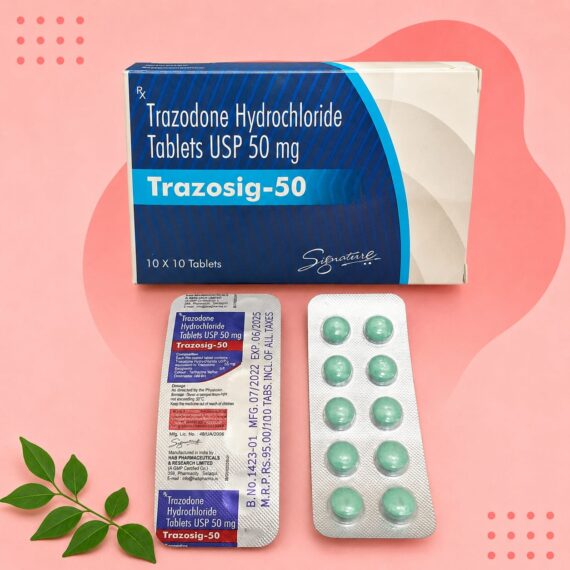
What Are Trazodone Tablets?
Trazodone is a prescription medication that affects specific chemical messengers within the brain. Healthcare professionals prescribe it for approved indications after evaluating individual symptoms, medical history, and overall health status.
Although many people associate the medication with depression treatment, clinicians may recommend it for other appropriate situations based on professional judgment and applicable medical standards. Consequently, treatment plans vary according to individual needs rather than following a single approach.
Careful assessment before starting therapy helps identify factors that may influence medication selection, dosage adjustments, and ongoing monitoring.
How does Trazodone work?
The medication influences neurotransmitters involved in mood regulation and other neurological functions. As a result, balanced signaling within the nervous system may contribute to symptom improvement for suitable patients.
However, treatment response differs among individuals, making regular follow-up appointments essential for evaluating effectiveness and safety.
Potential Benefits of Trazodone Tablets
Healthcare providers prescribe trazodone because it may offer meaningful therapeutic value for selected patients.
Possible benefits include:
-
Support for the treatment of major depressive disorder
-
Improvement in mood symptoms for eligible patients
-
Better emotional stability during treatment
-
Enhanced participation in daily activities
-
Improved overall functioning when therapy succeeds
-
Individualized symptom management under medical supervision
Treatment goals differ according to each person's diagnosis and clinical needs. Moreover, healthcare professionals evaluate progress over time before determining whether adjustments are necessary.
Importance of Consistent Treatment
Taking medication exactly as prescribed supports stable therapeutic effects.
Consequently, maintaining consistency with dosing schedules may help healthcare professionals assess treatment response more accurately while reducing unnecessary fluctuations.
Proper Use of Trazodone Tablets
Responsible medication use begins with following professional instructions carefully. Patients should never change the prescribed dose or frequency without medical advice.
Healthcare providers determine appropriate treatment based on several considerations, including symptom severity, age, concurrent medications, and overall health status.
Proper use also includes reading prescription instructions thoroughly and asking questions whenever clarification becomes necessary.
Tips for Daily Administration
Several simple habits encourage responsible medication use:
-
Take the medication according to the prescribed schedule.
-
Swallow tablets with water unless instructed otherwise.
-
Follow recommendations regarding meals if provided.
-
Keep a consistent routine whenever possible.
-
Store medication safely between doses.
-
Attend scheduled follow-up appointments.
These practices support treatment continuity and reduce avoidable medication errors.
Precautions Before Starting Treatment
Every prescription medication requires thoughtful evaluation before therapy begins.
Patients should inform healthcare professionals about:
-
Existing heart conditions
-
Liver disease
-
Kidney problems
-
Previous allergic reactions
-
Current prescription medications
-
Herbal products and supplements
-
Pregnancy or breastfeeding status
-
History of mood disorders or seizures
Complete disclosure helps healthcare providers make informed prescribing decisions while reducing potential complications.
Importance of Medical History
Accurate medical information allows healthcare professionals to identify possible risks before treatment starts.
Furthermore, ongoing communication supports timely adjustments whenever clinical circumstances change.
Possible Side Effects
Like many prescription medications, trazodone may produce side effects that vary in frequency and intensity.
Commonly reported effects include:
-
Drowsiness
-
Dizziness
-
Dry mouth
-
Headache
-
Blurred vision
-
Nausea
-
Fatigue
-
Constipation
Many mild effects improve as treatment continues. Nevertheless, persistent symptoms should receive medical attention for appropriate evaluation.
When Immediate Medical Care Is Needed
Certain reactions require prompt medical assessment.
Patients should seek emergency care if severe allergic reactions, breathing difficulties, chest pain, fainting, prolonged painful erections, or significant changes in consciousness occur.
Early intervention supports safer management of serious adverse events.
Drug Interactions
Medication interactions may alter therapeutic effectiveness or increase the likelihood of unwanted side effects.
Healthcare professionals should know about every medication and supplement a patient uses.
Important categories include:
-
Prescription medicines
-
Nonprescription products
-
Herbal supplements
-
Vitamins
-
Sleep aids
-
Pain medications
Maintaining an updated medication list helps reduce preventable interaction risks.
Alcohol and Sedating Medications
Alcohol and other sedating substances may increase drowsiness and impair coordination when combined with trazodone.
Therefore, patients should follow healthcare professional recommendations regarding these combinations.
Monitoring During Treatment
Regular medical follow-up supports safe and effective therapy.
Healthcare professionals may evaluate:
-
Symptom improvement
-
Medication tolerance
-
Side effect development
-
Dose effectiveness
-
Treatment adherence
-
Overall health status
Scheduled reviews provide opportunities to address concerns and optimize treatment strategies.
Why Do Follow-Up Visits Matter?
Routine appointments allow clinicians to identify issues before they become more serious.
Moreover, continuous evaluation helps determine whether treatment should continue unchanged or require modification.
Special Considerations for Older Adults
Older adults may respond differently to certain medications because of age-related physiological changes.
Healthcare professionals often monitor this population more closely for dizziness, balance problems, or excessive sedation.
Consequently, individualized treatment plans support safer medication use while reducing preventable complications.
Fall Prevention Measures
Simple safety measures may reduce fall risk:
-
Rise slowly from sitting positions.
-
Use supportive handrails when available.
-
Maintain adequate lighting at home.
-
Remove household tripping hazards.
-
Wear appropriate footwear.
These practical steps promote safety throughout treatment.
Pregnancy and Breastfeeding Considerations
Pregnant individuals should discuss potential risks and benefits with their healthcare provider before starting or continuing therapy.
Similarly, breastfeeding decisions require individualized medical evaluation that considers maternal health needs and infant safety.
Professional guidance remains essential whenever pregnancy planning or breastfeeding occurs during treatment.
Importance of Individual Assessment
Every pregnancy presents unique clinical considerations.
Therefore, healthcare professionals evaluate available information carefully before recommending any medication-related decisions.
Storage and Handling
Proper storage helps maintain medication quality throughout its intended shelf life.
Recommended practices include:
-
Keep tablets in the original container.
-
Protect from excessive moisture.
-
Store according to labeled instructions.
-
Keep away from direct heat.
-
Place out of reach of children.
-
Dispose of expired medication responsibly.
Correct handling supports medication integrity and household safety.
Safe Disposal Practices
Unused medication should be discarded according to local disposal recommendations rather than shared with others.
Responsible disposal reduces accidental exposure and inappropriate use.
Lifestyle Factors That Support Treatment
Medication works best as part of an overall healthcare strategy rather than as an isolated intervention.
Healthcare professionals may recommend additional measures such as:
-
Balanced nutrition
-
Regular physical activity when appropriate
-
Consistent sleep habits
-
Stress reduction techniques
-
Social support
-
Follow-up counseling when indicated
Healthy daily habits may complement prescribed therapy and contribute to improved overall well-being.
Building Healthy Medication Habits
Establishing a dependable routine supports treatment adherence.
Helpful approaches include using reminders, maintaining an updated medication list, organizing prescriptions safely, and communicating regularly with healthcare providers.
Consistency often improves treatment continuity while reducing missed doses.
Common Questions About Trazodone Tablets
Can treatment be stopped suddenly?
Patients should not discontinue trazodone without professional advice because gradual dose reduction may be appropriate depending on the treatment plan.
Can food affect administration?
Healthcare professionals or pharmacists provide individualized instructions regarding administration with or without food based on prescribing recommendations.
Is a higher dose always more effective?
Higher doses do not automatically produce better outcomes. Instead, clinicians determine appropriate dosing according to therapeutic response and individual tolerance.
Should every side effect cause concern?
Many mild effects improve over time. However, persistent, severe, or unusual symptoms require medical evaluation for appropriate management.
Patient Responsibilities During Therapy
Successful treatment depends on active participation from both healthcare professionals and patients.
Important responsibilities include:
-
Taking medication exactly as prescribed
-
Reporting unexpected symptoms promptly
-
Attending follow-up appointments
-
Updating clinicians about new medications
-
Asking questions about treatment plans
-
Following medical recommendations carefully
These practices strengthen treatment effectiveness and support patient safety.
Communication Builds Better Care
Open communication allows healthcare professionals to identify challenges early and provide appropriate solutions.
Consequently, patients who share concerns promptly may benefit from timely adjustments that improve overall treatment outcomes.
Conclusion
Trazodone tablets provide valuable therapeutic benefits for appropriate patients when used responsibly under qualified medical supervision. Careful adherence to prescribed instructions, awareness of potential side effects, regular follow-up appointments, and healthy lifestyle practices contribute to safer, more effective treatment. Informed participation and ongoing communication with healthcare professionals support individualized care while helping reduce avoidable risks throughout the treatment journey.
Comments
Post a Comment